The Agricultural Engineering Profession
Overview and Importance of the Profession
Agricultural engineers play a vital role in agricultural innovation. Faced with climate and food security challenges, they develop sustainable solutions to optimize crop and livestock production while protecting the environment. From research to project management, their expertise spans a wide range of tasks: crop improvement, advancing emerging technologies, and assisting farmers in their transition to sustainable farming practices. They play a crucial role in ensuring that agriculture is both efficient and responsible.
To learn more, discover the Roullier Endowment Fund’s initiatives in sustainable agriculture
Overview of the Profession
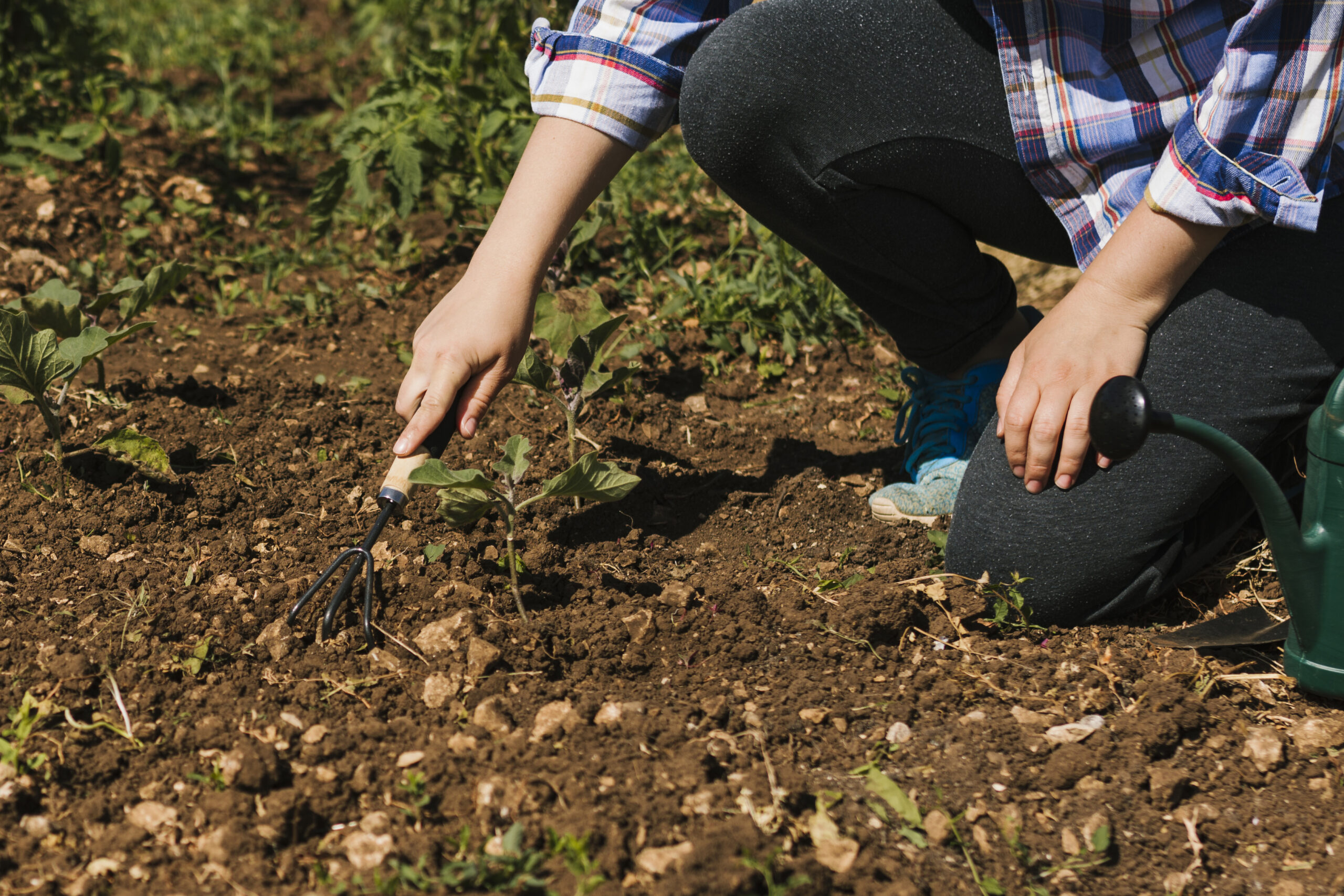
Agricultural engineers, who specialize in agricultural sciences, develop and implement innovative solutions to improve animal and plant production. They make a significant contribution to the development of more efficient, sustainable, and resource-conscious agriculture through their expertise in biology, chemistry, environmental science, and management. Their responsibilities are diverse: developing and implementing new agricultural methods, increasing productivity, maintaining soil quality, creating food products, and supporting farmers in their transition to an eco-friendly approach. They are qualified to work in laboratories, agri-food companies, agricultural cooperatives, or public institutions. Faced with food and climate challenges, agricultural engineers play a crucial role in addressing future challenges and promoting more innovative and responsible agriculture. The Junia School states on its website that “As a bridge between science and the agricultural world, agricultural engineers serve farmers and the environment.”
The Importance of Agricultural Engineers in the Agricultural Sector
Agricultural engineers play a crucial role in the progress and development of the agricultural sector. In the context of global challenges such as food security, global warming, and the conservation of natural resources, their expertise is essential for proposing sustainable and innovative solutions.
They use their expertise in science and technology to optimize agricultural yields while preserving the environment. They develop and implement agroecological methods, maximize the use of land and water, and innovate with new agricultural technologies, such as biostimulants or alternatives to pesticides. Their mission is not limited to agricultural production: they also play a role in the fields of research, consulting, the agri-food industry, and public policy, thereby contributing to a more robust and efficient agricultural sector designed to sustainably feed the world’s population.
Source : https://www.groupe-esa.com/?s=Ing%C3%A9nieur+agricole+%3A+fiche+m%C3%A9tier+&lang=fr
Definition and Role of an Agricultural Engineer
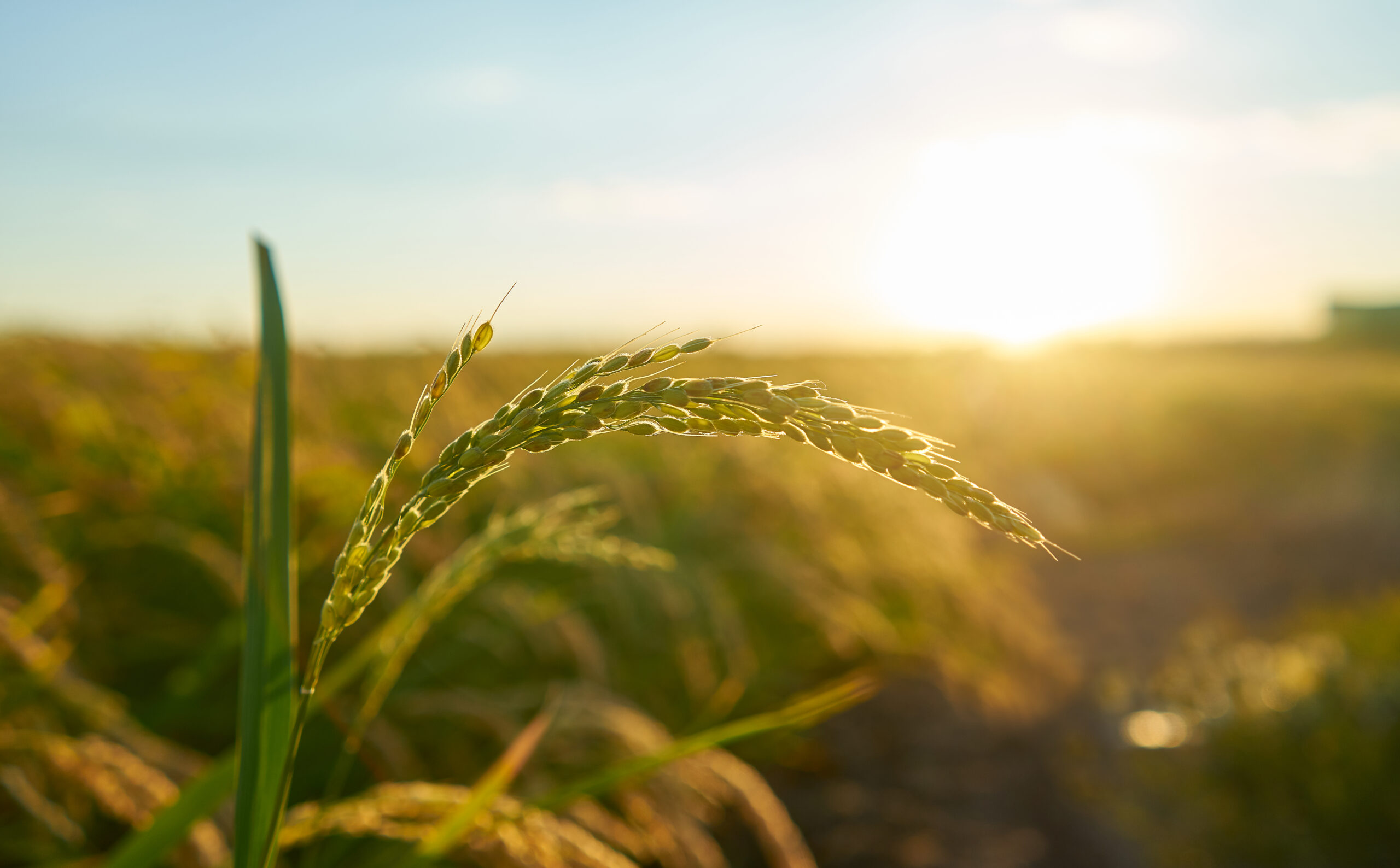
An agricultural engineer is an expert specializing in the application of agricultural science and methods. They play a crucial role in improving agricultural production systems by ensuring their efficiency and sustainability.
Its main missions are:
- Diagnosis and analysis: Scientifically evaluate ecosystems, production methods, and farm management to identify areas for improvement.
- Consulting and support: Help farmers, cooperatives, and agri-food companies refine their processes while meeting consumer demands and environmental standards.
- Research and innovation: Designing innovative solutions to address agricultural challenges, such as developing disease-resistant crop varieties or manufacturing environmentally friendly agricultural equipment.
- Project management: Proposing and implementing projects aimed at improving agrosystems, including crop variety selection, the adoption of agricultural methods, and the development of plant protection strategies.
Agricultural engineers can work in a variety of settings, including professional agricultural organizations, the agri-food industry, public institutions, as well as the banking, insurance, and commercial sectors related to agriculture.
Education and Skills of Agricultural Engineers
Education and degrees required to become an agronomist.
After the baccalaureate, it takes five years of study to earn a degree in agricultural engineering or a master’s degree in biology and agrosciences. Most public engineering schools admit students through a competitive entrance exam after two years of preparatory classes, a DUT, or a bachelor’s degree, allowing students to enter directly into the third year. In contrast, most private schools offer admission starting in the first year through an integrated preparatory class. However, there are exceptions in both cases. For example, the agri-food program at Institut AgroRennes admits students starting in the first year, even though the school is public and its agricultural engineering program admits students in the third year.
Agricultural Engineering Programs (Bac +5)
- Engineering degree from the École nationale supérieure agronomique de Toulouse (part of the INP de Toulouse)
- Engineering degree from the École nationale supérieure d’agronomie et des industries alimentaires at the University of Lorraine, specializing in agronomy
- Engineering degree from the École nationale supérieure des sciences agronomiques de Bordeaux Aquitaine
- Engineering degree from the Institut Agro Montpellier of the National
- Institute of Higher Education for Agriculture and Food, specializing in agronomy
- Engineering degree from the Institut Agro Rennes-Angers of the National
- Institute of Higher Education for Agriculture, Food, and the Environment (Institut Agro), specializing in agronomy
- Engineering degree from the Institute of Higher Education and Research in Food, Animal Health, Agronomic Sciences, and the Environment
- Engineering degree from the Institute of Life Sciences, Industries, and the Environment (AgroParisTech)
- Engineering degree from the Institut Polytechnique UniLaSalle, specializing in agronomy and agro-industries
- Engineering degree from ISTOM (Higher School of International Agricultural Development)
Specialized Master’s Programs (5 years of higher education)
-
Master’s in Agrosciences, Environment, Territories, Landscape, and Forestry
-
Master’s in Biology and Agrosciences
These programs provide students with skills in agricultural production, natural resource management, research, and innovation, and pave the way for a variety of careers in agronomy and the environment.
Source : https://www.onisep.fr/ressources/univers-metier/metiers/agronome
Universities and colleges specializing in agronomy
In France, there are several types of institutions that train future agricultural engineers:
- The ENSA and ENITA schools: These public schools, which fall under the jurisdiction of the Ministry of Higher Education or the Ministry of Agriculture, include renowned institutions such as AgroParisTech, Bordeaux Sciences Agro, Montpellier SupAgro, ENSAT, the Institut Agro Rennes Angers, the Institut Agro Dijon, the Institut Agro Montpellier, and ENSAIA. The Institut Agro Rennes Angers is recognized for its programs in agronomy, agri-food, horticulture, and landscape architecture, with 11 academic departments and 18 research units. The Institut Agro Dijon offers specializations in agronomy and food science, with an emphasis on sustainable development and social responsibility. The Institut Agro Montpellier specializes in sustainable agricultural and agri-food systems, with a strong international focus and partnerships in the Global South and Mediterranean countries.
- Specialized private schools: Some schools, such as ISARA, offer programs in agricultural sciences and agronomy.
These institutions prepare students for careers in agriculture, agronomy, life sciences, and the environment.
Source : https://diplomeo.com/etablissements-ecoles_d_agronomie
Required Skills
Knowledge of biology, chemistry, and soil science
For an agricultural engineer, it is essential to have knowledge of biology, chemistry, and soil science. In the field of biology, it is essential to understand how plants and animals function, as well as the genetics of species, in order to optimize their productivity and resistance to disease. As for chemistry, it provides the skills needed to understand the interactions between the chemical components of soil and plants, particularly in terms of fertilization, the application of plant protection products, and biopesticides. Finally, the study of soils is essential for assessing and improving their quality, maximizing their fertility, and developing agricultural methods that preserve the environment. Thanks to these combined skills, agricultural engineers are able to propose innovative and sustainable solutions tailored to the environmental and financial challenges facing the agricultural sector.
Skills in crop management and agricultural techniques
Agricultural engineers specializing in crops and farming methods must have in-depth knowledge of all techniques aimed at maximizing production while protecting the environment. They possess a thorough understanding of the technical aspects of major crops, selecting varieties suited to soil and climate conditions and developing strategies for soil fertility management. Precision agriculture, which uses tools such as remote sensing and sensors, offers the potential to improve yields and manage resources efficiently. They also receive training in agroecological systems, sustainable input management, and efficient irrigation methods. Crop protection is based on a comprehensive strategy that combines biocontrol, biological control, and the monitoring of diseases and pests. In addition, their mission includes research and experimentation aimed at continuously improving farming methods, as well as providing guidance and support to farmers to optimize their operations. It is through these skills that they contribute to the development of efficient, sustainable, and innovative agriculture. Several schools also offer specializations in the fields of nutrition, cosmetics, fisheries, and viticulture and oenology. These sectors also seek the expertise of agricultural engineers.
Career Opportunities
Agricultural engineers can explore a wide range of opportunities in the fields of agricultural production, agri-food production, research, consulting, and the environment. With their expertise in crop management, production optimization, natural resource conservation, and biochemistry, they are essential to the advancement of sustainable and efficient agriculture.
Employment Sectors (public, private, NGOs)
Agricultural engineers can work in the public sector—including ministries of agriculture, research institutes, and chambers of agriculture—as well as in the private sector, at agri-food companies, startups, agricultural cooperatives, firms specializing in agricultural consulting, associations, banks, or auditing firms. They can also work in waste or water management. Opportunities in rural development and natural resource management on a global scale are also available through NGOs and international organizations. Engineers can also pursue further studies and complete dissertations to go on to work in research.
Examples of accessible careers and positions
An agricultural engineer can take on a variety of roles, such as agricultural project manager, agricultural technical advisor, production manager, research and development engineer, or consultant specializing in crop management. They may also hold positions in the fields of agricultural innovation, precision agriculture, or agricultural policy analysis. They have the opportunity to work directly with farmers.
Career Development Opportunities
Throughout their career, agricultural engineers can advance to leadership positions such as farm operations manager, agribusiness director, agricultural policy specialist, supply chain manager, or research director. They may also choose to specialize in a specific field, such as agroecology, or start their own consulting firm. There are numerous opportunities for career advancement, especially as agriculture transitions toward more innovative and sustainable practices.
Areas of Focus
Agricultural and Agri-Food Production
Agricultural engineers play a vital role in improving production in the agricultural and agri-food sectors. They help optimize yields, manage crops, select varieties, and adopt new agricultural methods to ensure efficient and sustainable production. In the agri-food sector, they oversee the quality of raw materials and ensure compliance with production standards.
Research and Innovation
Innovation plays a central role in the work of an agricultural engineer. They conduct research on innovative agricultural techniques, advances in biotechnology, and ways to improve crop resilience to climate-related stresses. Their expertise helps facilitate the transition to agroecology and enables agriculture to adapt to environmental and climate challenges. In the agri-food sector, engineers may be called upon to develop new product recipes and new food products, as well as to work on packaging.
Natural Resource Management
For agricultural engineers, the sustainable preservation of natural resources is a priority. They work to conserve soil, manage water resources, and protect biodiversity. They implement agricultural methods that minimize erosion, promote soil fertility, and reduce the use of chemicals to foster more environmentally friendly farming practices.
Advice and Support for Farms
In their role as advisors, agricultural engineers guide farmers in refining their methods and maximizing their yields. They assist farmers in developing appropriate strategies to address economic and environmental challenges, providing them with innovative and sustainable solutions to ensure the profitability of their operations.
Agricultural Policies and Rural Development
Agricultural experts may also be involved in the design and implementation of agricultural policies. They collaborate with government agencies, cooperatives, and international organizations to develop strategies that promote balanced rural development and sustainable agriculture. They are involved in developing strategic programs for farmers and in supporting agricultural sectors.
Conclusion
In the face of current and future challenges in the agricultural sector, the role of the agricultural engineer is more crucial than ever. Given global population growth, climate change, and the need to preserve our natural resources, their expertise is essential for developing innovative and sustainable solutions. They contribute to the transition toward agroecology, the improvement of agricultural productivity, and the adoption of more environmentally friendly farming methods. By combining science, technology, and support for stakeholders in the field, agricultural engineers play a crucial role in establishing a resilient and efficient agricultural system capable of sustainably feeding future generations.